The Unsung Heroes: A Comprehensive Look at Bifold Door Hardware
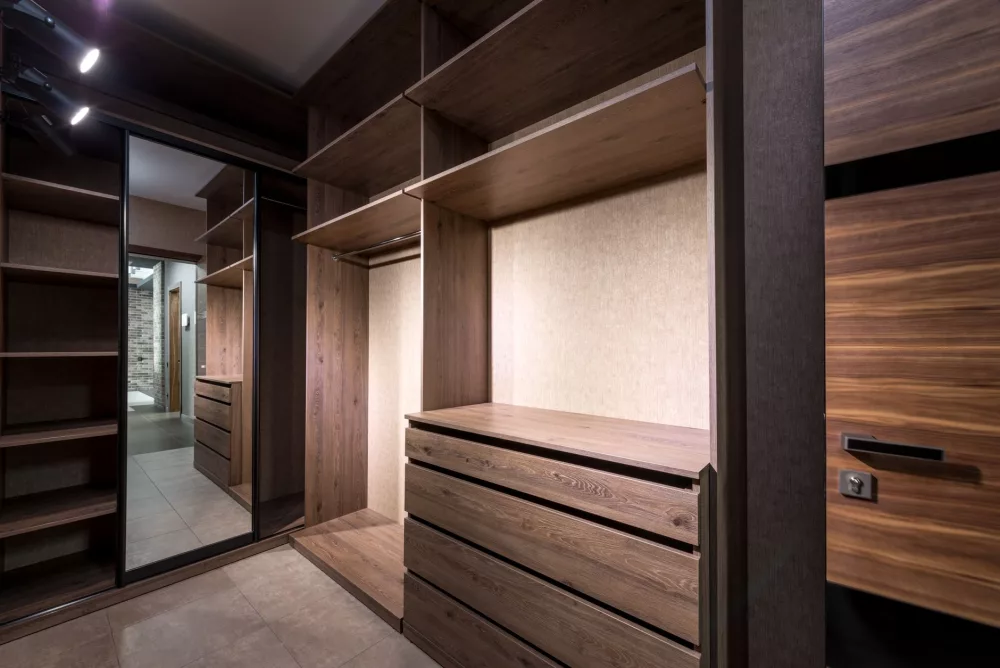
You know, it’s funny how often the things that make our homes function smoothly go completely unnoticed. Bifold doors, for instance. They're everywhere, from closets to utility rooms, even acting as room dividers in some spaces. And yet, the intricate network of bits and pieces that allow them to glide, fold, and stack neatly away? Most folks don't give it a second thought until, suddenly, a door jams, or worse, pops right off its track. That’s when you start appreciating the unsung heroes of the bifold world: the hardware.
I've spent a fair bit of time wrestling with doors, both good and bad, in various homes over the years. And let me tell you, the quality and type of bifold door hardware can make or break your experience. It's not just about opening and closing; it’s about durability, ease of use, and even the overall aesthetic of a room. So, come along with me, and we'll pull back the curtain on this often-overlooked but absolutely critical aspect of home design.
What Exactly Are We Talking About Here? The Core Components
When I talk about bifold door hardware, I'm really referring to a collection of specialized components that work in concert. Think of it as a small, specialized machine. Each part has a job, and if one part isn't up to snuff, the whole system suffers. We’re not just talking about hinges here; it’s a whole lot more nuanced than that.
The Foundation: Tracks and Guides
First up, and arguably the most foundational, are the tracks. Most bifold doors operate on a top-mounted track system. This track, usually made of aluminum or steel, is securely fastened to the header above the door opening. Within this track, you'll find:
- Top Pivots: One end of your bifold door panel system will have a spring-loaded top pivot. This little guy slots into the top track, allowing the door to rotate as it opens and closes. The spring mechanism is crucial; it helps keep tension and makes installation a bit easier.
- Guides/Rollers: The other panels, the ones that move freely, typically have guide wheels or rollers that run along the top track. These allow the door to slide smoothly without wobbling. I've seen cheap plastic rollers disintegrate over time, leading to that horrendous grinding noise. Trust me, invest in decent quality here.
- Bottom Pivot: While not all bifold systems use a bottom track (especially for lighter closet doors), many do, particularly for heavier or larger doors. For systems without a bottom track, a stationary bottom pivot bracket anchors the door, allowing it to swing. For those with a bottom track, a bottom guide or roller ensures stability.
It's important to note the distinction: a top track system is pretty standard. A bottom track can add stability, especially for larger or heavier doors, preventing them from swaying or being easily dislodged. If you're dealing with really big bifold doors, say for a room divider, a bottom track is almost always a necessity for smooth, reliable operation.
"I once tried to save a few bucks on a bifold door installation for a laundry closet. Guess what? The track was flimsy, and the rollers felt like they were made of bottle caps. Within six months, that door was constantly sticking. It taught me a real lesson about not skimping on quality where movement is involved."
The Crucial Connections: Hinges
What's a folding door without hinges, right? Hinges are what allow the individual panels of the bifold door to fold in on themselves. There are a few common types:
- Surface Mount Hinges: These are probably what you picture when you think of a hinge. They mount directly to the surface of the door panels. They're visible, which means their finish and style matter. You'll find them in brass, nickel, oil-rubbed bronze, and more.
- Mortise Hinges: Less common in standard bifold doors, but used in some custom applications, these require a cut-out (mortise) in the door edge. They offer a cleaner look but are more involved to install.
- Continuous Hinges (Piano Hinges): For heavier, larger bifold doors, especially those used as room dividers or exterior systems, you might see continuous hinges. They run the entire length of the door edge, distributing weight evenly and providing incredible strength. Talk about robust!
The number of hinges depends on the height and weight of your door panels. Typically, you'll need at least two or three per panel joint, ensuring stability and preventing sagging.
Opening and Closing: Knobs, Pulls, and Latches
Okay, so the door moves, but how do you actually operate it? That's where the knobs, pulls, and latches come into play. These are the touchpoints, and while they seem simple, their function is critical.
- Knobs and Pulls: These are pretty straightforward. You grab 'em, you pull 'em. They come in every style imaginable to match your home's decor. Ergonomics matter here; you want something comfortable to grip.
- Latches and Catches: For doors that need to stay closed, you'll have a latching mechanism. This could be a simple ball catch (a ball bearing that pops into a recess), a magnetic catch, or sometimes a more robust spring-loaded mechanism. For closet doors, a simple catch often does the trick, but for room dividers, you might want something more substantial for security or privacy.
Why Does All This Matter? Choosing the Right Stuff
Here's the thing: choosing the right hardware isn't just about aesthetics; it’s about functionality and longevity. I've learned that lesson the hard way. When you're picking out hardware, consider:
- Door Weight and Size: Heavier, taller doors demand heavier-duty tracks, more robust pivots, and stronger hinges. Don't try to hang a solid core oak bifold on hardware designed for a hollow core closet door. It just won't work, or it won't work for long.
- Usage Frequency: Is this a closet door you open twice a day, or a room divider that gets constant traffic? High-traffic areas require commercial-grade, high-cycle hardware designed to withstand repeated opening and closing.
- Material: You'll find hardware in plated steel, zinc, brass, and even stainless steel. Stainless steel is fantastic for humid environments (like a bathroom or laundry room) because it resists rust. Plated steel is common and generally fine for dry interior spaces, but quality varies widely.
- Finish: This is where aesthetics come in. Chrome, brushed nickel, oil-rubbed bronze, black – pick something that complements your existing fixtures.
Installation: Not Always a Walk in the Park
Installing bifold door hardware, especially the tracks and pivots, requires precision. A quarter-inch off can mean the difference between a smooth-gliding door and one that constantly binds or pops out of the track. If you're a DIY enthusiast like me, you'll want to measure thrice and drill once. And make sure the track is perfectly level! I remember one afternoon spent adjusting and readjusting pivots because I'd rushed the initial track placement. Never again.
Keeping Things Smooth: A Bit About Maintenance
Good news! Once installed correctly, bifold door hardware doesn't usually demand constant attention. But a little preventative care goes a long way. Periodically:
- Check screws for tightness, especially on hinges and pivot brackets.
- Vacuum the top track to remove dust and debris that can impede rollers.
- Apply a dry lubricant (like a silicone spray) to the track and rollers if they start to feel sticky. Avoid oil-based lubricants, as they can attract more dust.
Honestly, it’s these little details, the hardware we rarely think about, that quietly contribute so much to the everyday comfort and utility of our homes. Understanding them makes us better equipped to choose wisely and keep things running smoothly. So next time you open a bifold door with satisfying ease, maybe give a little nod to those hardworking pivots, tracks, and hinges doing their silent, important work.
About Editorial Team
Senior columnist and culture critic specializing in architectural designs, emerging high-growth systems, and contemporary philosophies.