Lloyds Banking Group: Understanding the UK's Financial Powerhouse
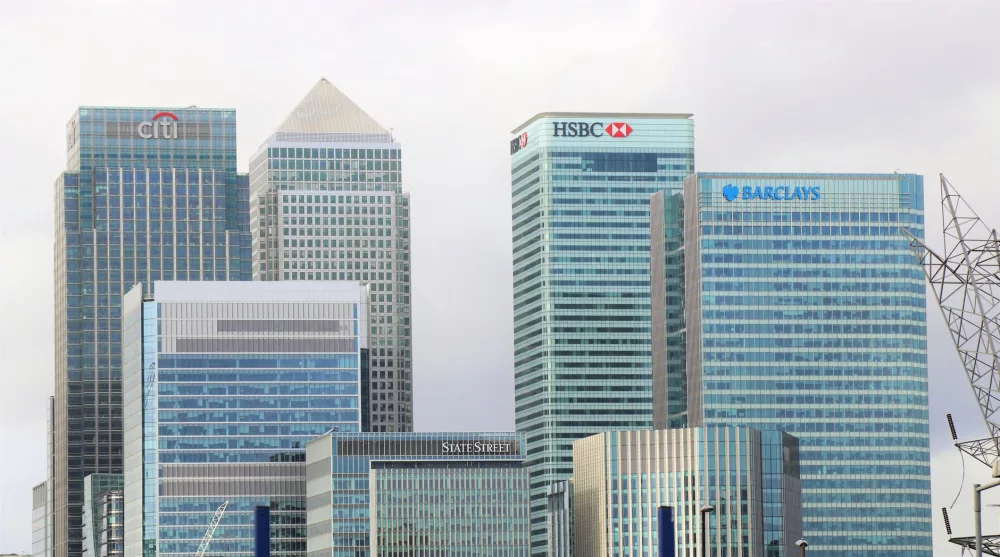
When we talk about the financial landscape in the UK, it’s almost impossible not to mention Lloyds Banking Group. I mean, they’re truly a giant, aren't they? They touch millions of lives across the country, whether it’s through your everyday current account, a mortgage, or even a business loan. It’s a massive organisation, and I think it’s worth taking a closer look at what makes them tick and why they’re such an influential part of the British economy.
A Deep Dive into Lloyds' Rich History
You know, understanding any major institution really starts with its history, and Lloyds Banking Group has quite a story. Its roots stretch back an incredible amount of time, way back to 1765, with the founding of Taylor & Lloyds in Birmingham. Imagine that! That’s before many of the things we consider modern even existed. Over the centuries, through countless mergers and acquisitions, the group grew and evolved, becoming the banking behemoth we recognise today.
A really significant moment, and one I often think about, was the merger with TSB in 1995, creating Lloyds TSB. Then, in more recent memory, the acquisition of HBOS (Halifax Bank of Scotland) in 2009 was a huge, huge deal. This particular move, orchestrated during the global financial crisis, reshaped the UK banking sector entirely, making Lloyds Banking Group what it is now – a true powerhouse with an enormous retail presence. It wasn't without its challenges, mind you, and I remember the headlines vividly. The government even had to step in with a bailout, which, honestly, shows just how crucial this institution is to the national economy. It was a stressful time for everyone involved, and you could feel the ripple effects.
The Extensive Portfolio of Brands
What I find fascinating about Lloyds is that it isn’t just ‘Lloyds Bank.’ Oh no, it’s a whole family of well-known brands, and I bet you recognise most of them. These brands cater to different segments of the market, which is a smart strategy, I think, allowing them to reach a broader customer base. Let me tell you about a few:
- Lloyds Bank: This is, of course, the flagship brand, offering a full range of personal and business banking services. When you think of a traditional British bank, this is often what comes to mind, with that iconic black horse logo.
- Halifax: Originally a building society, Halifax transformed into a bank and is renowned for its competitive mortgage products and straightforward banking. I know plenty of people who swear by them for their home loans.
- Bank of Scotland: With a heritage going back to 1695, Bank of Scotland serves customers primarily in Scotland, maintaining a distinct identity and connection to its local communities.
- Scottish Widows: This is their life assurance and pensions arm. They’ve been around for ages too, since 1815, providing crucial financial planning and security for countless individuals.
It’s this diverse portfolio that gives them such a strong footing across different financial products and customer types. They’ve really got all bases covered, haven't they?
Services Offered: More Than Just a Current Account
So, what exactly do they offer? Well, quite a lot! When I consider the breadth of their services, it really makes me appreciate their scale. They cater to almost every financial need you can imagine for individuals and businesses alike. For personal customers, you’re looking at your everyday current accounts, savings accounts, and ISAs. Then there are those bigger life purchases, like mortgages and personal loans. They also offer credit cards, car finance, and a whole host of insurance products, from home to travel insurance. I mean, they're practically a one-stop shop for many people's financial lives.
For businesses, it’s just as comprehensive. Small businesses can get tailored accounts, loans, and overdraft facilities. Larger corporations and institutional clients benefit from more complex services, including corporate banking, capital markets, and transaction banking. They also have wealth management services through brands like Scottish Widows and Halifax, helping people plan for their retirement or manage significant investments. It's truly a broad spectrum, and it's clear they aim to be a full-service provider.
Navigating Challenges and Adapting to Change
Being such a large and established institution certainly has its advantages, but it also means facing some pretty significant challenges. I remember the financial crisis of 2008-2009 vividly; it was a rough period for the entire banking sector, and Lloyds, as I mentioned, certainly felt the impact. The government's rescue package meant a period of public ownership, which only fully concluded in 2017. That was a long road back, and it took immense effort.
In more recent times, the banking industry has been undergoing a massive digital transformation, and Lloyds Banking Group has been right there in the thick of it. I see them continually investing heavily in technology to improve online and mobile banking experiences. It’s all about making banking simpler, faster, and more accessible for us customers, isn't it? Competition from challenger banks and fintech startups also keeps them on their toes. They've got to innovate to stay relevant, and I think they've done a decent job of it.
Economic fluctuations, regulatory changes, and evolving customer expectations are constants in this sector. They’ve got to be agile and responsive. I've noticed their increased focus on sustainability and environmental, social, and governance (ESG) factors too, which is something I personally believe is incredibly important for any modern company. They're trying to play their part in addressing climate change and supporting local communities.
The Future: Digital, Sustainable, and Customer-Focused
So, what does the future hold for Lloyds Banking Group? I’d say it’s a future heavily influenced by digital innovation and a relentless focus on the customer. They’re really pushing to be a more efficient, digitally-led bank that can serve people seamlessly across different channels. We’re going to see continued investment in things like AI, data analytics, and cloud computing to personalise services and enhance security. I think they understand that to thrive, they can’t just rely on their legacy; they need to be at the forefront of technological advancements.
Their commitment to social purpose and sustainability will also continue to grow. They’ve set some ambitious targets around lending for green initiatives and supporting social housing, which is fantastic to see. It’s not just about profits; it’s about being a responsible corporate citizen. They're aiming to help Britain prosper, and you can see that reflected in their strategic priorities. Ultimately, Lloyds Banking Group isn't just a collection of banks; it’s a deeply ingrained part of the UK’s economic and social fabric, constantly adapting and evolving to meet the demands of a changing world. It's a complex, essential machine that keeps a huge amount of our economy moving, and I for one will be watching how they continue to adapt.
About Editorial Team
Senior columnist and culture critic specializing in architectural designs, emerging high-growth systems, and contemporary philosophies.