Navigating the Aftermath: Why a Brain Injury Attorney Is Indispensable
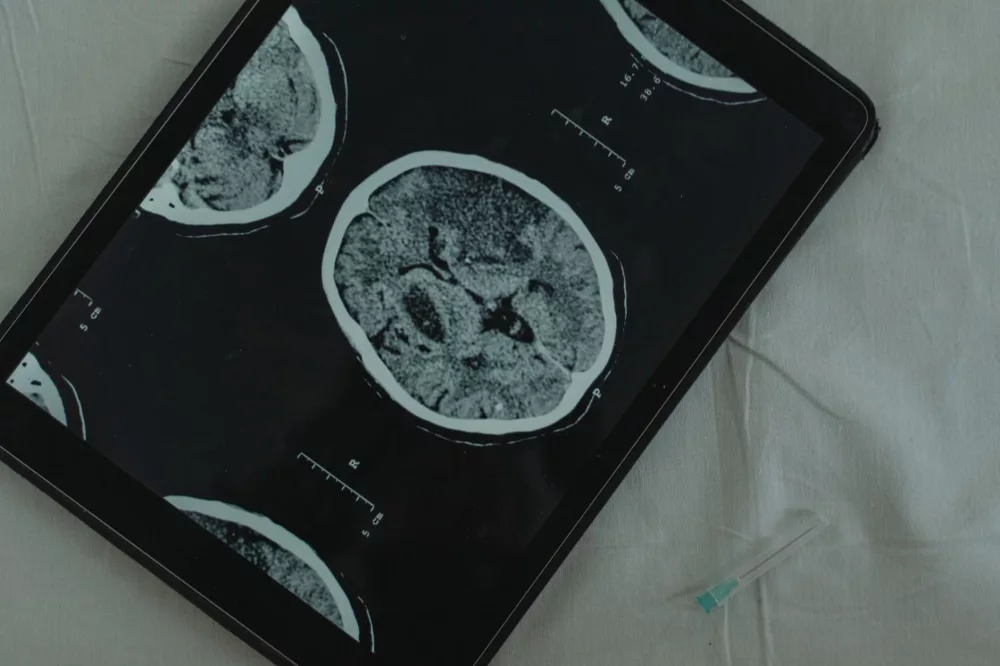
When life throws an unexpected curveball, and a brain injury enters the picture, everything changes in an instant. Suddenly, you're not just dealing with physical pain; it's a bewildering maze of medical appointments, emotional upheaval, and frankly, a deeply uncertain future. This is where the specialized knowledge of a brain injury attorney becomes not just helpful, but absolutely essential. I've spent years witnessing the profound impact these injuries have on individuals and their families, and I can tell you, the journey to recovery and justice is rarely straightforward.
The Unseen Battle: Why Brain Injuries Are So Complex
You see, a brain injury isn't like a broken leg. You can't just put a cast on it and expect it to heal predictably. Traumatic Brain Injuries (TBIs), even those initially dismissed as 'mild concussions,' can wreak havoc on a person's cognitive functions, personality, and overall quality of life. I've seen clients struggle with chronic headaches, memory loss, profound fatigue, mood swings, and an inability to return to their former employment. These injuries are often invisible, which makes them incredibly difficult for outsiders, like insurance adjusters, to fully grasp or empathize with.
"The true cost of a brain injury extends far beyond initial medical bills; it encompasses a lifetime of challenges that demand specialized legal advocacy."
The medical side is a puzzle in itself. Diagnosing the full extent of a TBI often requires a team of specialists: neurologists, neuropsychologists, occupational therapists, speech therapists, and more. Getting these evaluations, understanding the reports, and translating complex medical jargon into something a jury can comprehend? That's a huge part of what we do. It's not just about proving an injury occurred; it's about demonstrating its ongoing, devastating impact.
What a Specialized Attorney Brings to Your Corner
So, what exactly does a brain injury attorney do that's different from a general personal injury lawyer? Well, it's quite a lot, actually. From my experience, a significant part of our role involves understanding the unique challenges of TBI cases.
- Deep Medical Knowledge: We don't just read medical records; we interpret them. I've learned to identify subtle signs of TBI that general practitioners might miss and to challenge insurance companies that try to downplay the severity of an injury. We understand the difference between a CT scan and an MRI, and when a SPECT scan or functional MRI might be necessary to truly illustrate damage.
- Expert Network: Building a strong case often requires input from a range of medical, vocational, and economic experts. We have established relationships with leading neuropsychologists, life care planners, and economists who can provide compelling testimony about your prognosis, future care needs, and lost earning capacity.
- Valuing the Case Accurately: This isn't just about current bills. It's about projected lifetime medical costs, future lost wages, pain and suffering, emotional distress, and the loss of enjoyment of life. These figures can be enormous, and without an attorney who knows how to properly calculate them, you might settle for far less than you deserve.
- Battling Insurance Companies: Let's be real, insurance companies aren't in the business of paying out maximum compensation. They have adjusters and lawyers whose primary goal is to minimize their liability. A brain injury attorney knows their tactics, understands how to counter their arguments, and won't back down when they try to offer an unfair settlement.
The Legal Maze: Proving Negligence and Damages
In most brain injury cases, we're looking to prove negligence. This means demonstrating that someone else's careless actions—a distracted driver, an unsafe work environment, a poorly maintained property—directly caused your injury. Gathering evidence is a meticulous process. We're talking about accident reports, witness statements, dashcam footage, employment records, and a mountain of medical documentation.
One of the hardest parts, particularly with TBIs, is establishing causation. An insurance company might argue that your symptoms are due to a pre-existing condition, or perhaps even something entirely unrelated. That's where expert testimony becomes incredibly powerful. An experienced neuropsychologist, for instance, can differentiate between pre-injury conditions and the direct impact of the trauma.
Navigating Future Uncertainties
For someone with a severe brain injury, the future can feel like a vast, uncharted ocean. They might need ongoing therapy, home modifications, assistive devices, or even 24-hour care. It's our job to ensure that the compensation you receive isn't just a band-aid but a lifeline that covers these long-term needs. This often involves working with life care planners who meticulously outline every anticipated expense for the rest of your life. It's a sobering exercise, but a necessary one to truly protect your future.
My Advice: Act Swiftly, Choose Wisely
If you or a loved one has suffered a brain injury, my most earnest advice is this: seek medical attention immediately, and then connect with a specialized brain injury attorney as soon as you're able. Time is often a critical factor. Memories fade, evidence can disappear, and statutes of limitations exist. Don't wait until you're overwhelmed by medical bills and insurance company pressure. Speaking with an attorney early doesn't obligate you to file a lawsuit, but it equips you with the knowledge and support you'll need to make informed decisions.
Ultimately, a brain injury attorney isn't just a legal representative; we become advocates for your entire future. We fight to ensure that you receive the financial resources necessary for your recovery, rehabilitation, and a life of dignity. It's a heavy responsibility, and it's one I and my colleagues take incredibly seriously, understanding that for many, we're the last line of defense against an unfair and challenging situation.
About Editorial Team
Senior columnist and culture critic specializing in architectural designs, emerging high-growth systems, and contemporary philosophies.