Gunner, HEAT, PC!: Why This Tank Sim Is a Must-Play for Enthusiasts
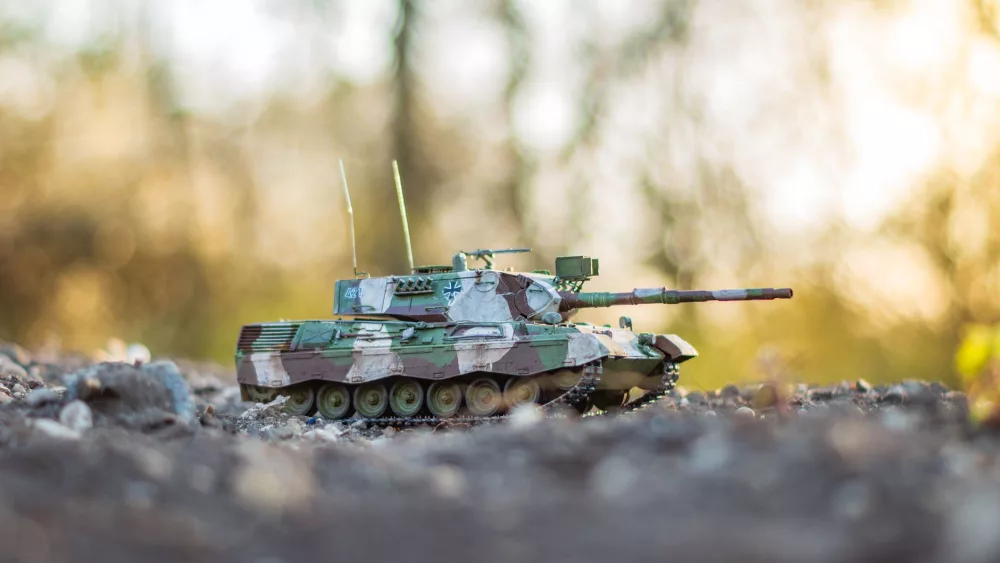
Alright, so let's talk about Gunner, HEAT, PC!, or GHPC as most folks call it. If you've been around the military simulation or tank game scene for a bit, you've probably heard the name whispered in hushed, reverent tones. This isn't your arcade tank shooter, not even close. What we're dealing with here is a passion project, a meticulously crafted simulation that aims for something a lot of games only dream of: genuine authenticity.
I remember first stumbling upon GHPC. I'd played my share of tank games, from the fast-paced action of *World of Tanks* to the more strategic *Steel Beasts*. But GHPC felt different right from the jump. It promised a ground-up approach to tank combat, focusing on the Cold War era and offering a level of detail that frankly blew me away. The developers, a small and dedicated team, aren't just making a game; they're preserving a specific, technical experience.
The Vision Behind the Steel: A Labor of Love
What truly sets GHPC apart, in my opinion, is the philosophy underpinning its development. This isn't some massive studio with an unlimited budget; it's a team that lives and breathes tank warfare. They've spent countless hours poring over technical manuals, interviewing veterans, and dissecting real-world ballistics data. You can feel that dedication in every aspect of the game, from the way a shell flies to the distinct rumble of an M1 Abrams engine.
They're not trying to be everything to everyone, and that's a huge strength. Instead, they're laser-focused on delivering a specific, high-fidelity experience. It’s early access, yeah, but the foundation they’ve built is incredibly solid, and the community engagement is top-notch. They listen, they iterate, and they push towards their vision with unwavering commitment. It's truly inspiring to see.
What It Feels Like to Tank: Core Gameplay Mechanics
So, what's it actually like to play? Well, it's intense. When you climb into a tank in GHPC, you're not just controlling a health bar and a cannon. You're part of a crew, and every decision matters. This game emphasizes several key mechanics:
- Ballistics and Armor Simulation: This is where GHPC really shines. Every shell, from a high-explosive round to a kinetic penetrator, behaves realistically. Factors like velocity, trajectory, spin, and even the angle of impact are simulated. Armor isn't just a number; it's a complex array of layers, each with its own properties. You'll learn to aim for weak spots, understand spalling, and appreciate why certain rounds are effective against specific targets. It’s incredibly satisfying when you land a perfect shot.
- Crew Management: You're not alone in that steel beast! You'll often be switching between crew stations: the gunner, the commander, and sometimes the driver. Each role has its own responsibilities and challenges. As a commander, I have to be aware of my surroundings, issue orders, and manage my team's overall tactical situation. As a gunner, my focus is purely on target acquisition and precision shooting. If one of your crew members gets incapacitated, the impact is immediate and significant.
- Command and Control: While you can jump into individual stations, the tactical layer is equally important. You'll be commanding not just your tank, but often a small platoon. Issuing clear, concise orders, understanding terrain, and anticipating enemy movements are crucial. It's a thinking person's game, for sure.
- Damage Models: This isn't just about blowing up a tank. Hits can cause critical damage: immobilizing tracks, jamming turrets, igniting fuel, or detonating ammunition. You'll see individual components of a tank get damaged, affecting its performance in realistic ways. Sometimes, a tank might be knocked out but not destroyed, leaving a hulking wreck on the battlefield.
The missions themselves often put you in realistic scenarios. We're talking about engagements on open plains, through dense forests, or in urban environments. Every map feels like it could be a real-world location, and the stakes always feel high.
Visuals and Sound: Immersion Through Authenticity
Now, let's address the elephant in the room for some people: the graphics. GHPC isn't going to win any awards for cutting-edge, photorealistic visuals. That's just not what the team is aiming for, nor is it what's important here. What they deliver, though, is highly functional and atmospheric. The models of the tanks are incredibly detailed, and the environments, while not sprawling, are designed with tactical play in mind.
Where the game truly shines in terms of immersion is its sound design. Honestly, it's brilliant. The roar of a gas turbine engine, the clank of the tracks, the distinct crack of a main gun firing, and the sickening thud of a shell hitting your armor – it all contributes to an incredibly visceral experience. I've had moments where a near miss made me physically flinch. Good audio is often overlooked, but in GHPC, it’s absolutely critical for situational awareness and overall engagement.
A Look Inside the Armory: Iconic Steel Beasts
The game focuses primarily on Cold War-era tanks, giving players access to some iconic vehicles from both sides of the conflict. We’re talking about the venerable M1 Abrams, the powerful Leopard 2, and various iterations of the T-72 and T-55. Each tank is meticulously modeled, not just externally, but internally as well. Being able to switch to a first-person view from inside the gunner's station or commander's cupola is a fantastic touch, really pulling you into the moment.
Understanding the strengths and weaknesses of each tank is a major part of the learning curve. You wouldn't engage a T-72 head-on in a T-55 if you could avoid it, right? GHPC makes you think about these matchups and plan accordingly.
The Community & The Future
Being an early access title, GHPC benefits immensely from its active and passionate community. Players are constantly providing feedback, suggesting features, and even creating mods that enhance the experience. The developers are very open with their plans, often sharing development updates and engaging directly with their player base. This collaborative environment really fosters a sense of ownership and excitement for the game's future.
I'm always impressed by how quickly issues are addressed and how new content, like additional tanks, maps, or mission types, gets integrated. It shows a living, breathing project that's constantly evolving.
Challenges and the Steep Learning Curve
Let's be upfront: this game isn't for everyone. GHPC has a steep learning curve. If you're expecting instant gratification, you might be a little disappointed. You'll need to learn about different ammunition types, armor layouts, target identification, and basic tank tactics. My first few missions were often brief and resulted in me being a burning wreck!
However, for those willing to put in the time, the rewards are immense. Each successful engagement feels earned, and the satisfaction of expertly commanding your tank to victory is unparalleled. It's a game that respects your intelligence and rewards your dedication.
Ultimately, Gunner, HEAT, PC! is carving out a truly special niche in the simulation genre. It’s a game built by enthusiasts, for enthusiasts, and that's precisely why it resonates so strongly with me and so many others. If you've ever dreamed of truly understanding what it's like to crew a main battle tank in a Cold War-era engagement, you absolutely owe it to yourself to check this one out. It’s an experience that’s authentic, challenging, and incredibly rewarding.
About Editorial Team
Senior columnist and culture critic specializing in architectural designs, emerging high-growth systems, and contemporary philosophies.