Hertz: Navigating a Century of Roads and Reinvention
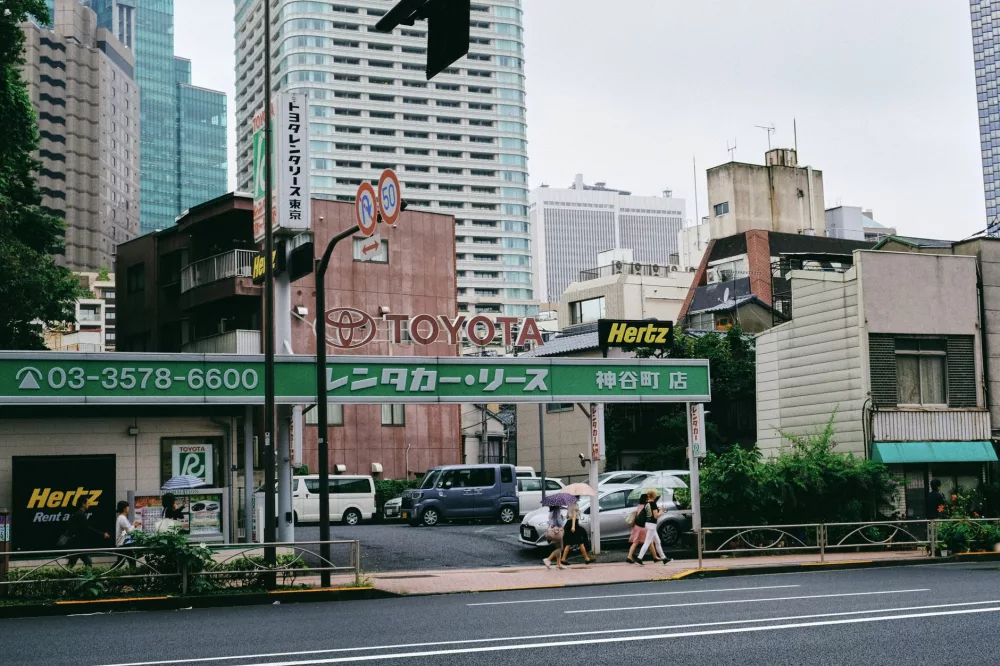
You know, for many of us, the name Hertz isn't just another company; it’s a familiar presence. It conjures images of road trips, business travel, or maybe that time you needed a car in a pinch. I remember my first real experience with Hertz, back when I was just out of college. I had landed an internship a few states away, and my beat-up old sedan wasn't going to make the journey reliably. Renting a car felt like a grown-up thing to do, a significant step. And there it was, a shiny blue sedan with the distinctive yellow and black Hertz logo on the key fob. That little car felt like freedom, like potential, and it got me thinking about the company behind it.
It’s fascinating how some brands become so ingrained in our collective consciousness. Hertz has been around for an incredibly long time, shaping how we think about travel and mobility. They've seen everything from the dawn of the automobile age to the complexities of modern global logistics. It wasn't always smooth sailing, though; no long-standing enterprise ever has it easy. But their story, I think, offers some compelling insights into endurance and adaptation in the business world.
The Early Days: A Visionary on Wheels
The story of Hertz really begins with a truly enterprising individual named John D. Hertz. It wasn't born in some grand corporate boardroom; rather, it started with a modest car rental operation in Chicago way back in 1918. Can you imagine that? Cars were still a novelty for many, a luxury. But Hertz, he saw something others didn't. He saw the potential for a service that would allow people to have access to a vehicle without the burden of ownership. He started with a fleet of just a dozen Ford Model Ts, believing there was a market for people who needed a car for a day, a week, or just a few hours.
"Rent a car you can drive yourself." – This was the revolutionary idea that John Hertz brought to the burgeoning American automotive landscape.
It's interesting how often great ideas seem so obvious in hindsight. At the time, though, it was pretty groundbreaking. He wasn't just renting cars; he was essentially selling temporary freedom and convenience. His vision quickly caught on, and the business, originally called 'Rent-a-Car Inc.', started to expand. This early success wasn't just about having cars; it was about understanding a fundamental human need for mobility and providing a reliable, accessible solution. I think that core understanding is what kept the company going even through its wildest times.
From Local Venture to National Network
John Hertz's venture didn't stay local for long. The company grew steadily, and by 1923, he sold it to General Motors. This was a pretty big deal because it injected significant capital and strategic power into the operation, allowing for rapid expansion across the United States. This period saw the establishment of a national network, something that was absolutely essential for a successful car rental service. You couldn't just rent a car in Chicago and then be stuck if you needed to drop it off in New York. The ability to rent a car in one city and return it in another was a game-changer, and Hertz was right there, pioneering that convenience.
- They were quite innovative with their customer-focused services.
- Expanding the fleet to include various models beyond just Fords.
- Setting up rental counters in strategic locations like train stations and later, airports.
It wasn't long until Hertz repurchased his company from General Motors in 1953, setting the stage for its modern era of independence and aggressive global expansion. This move allowed Hertz to truly define its own path, shedding the direct oversight of a car manufacturer and becoming a standalone giant in the travel industry. It was a clear signal that the car rental business was a viable, profitable entity on its own merits.
The Global Juggernaut and Its Services
By the mid-20th century, Hertz was no longer just a domestic player; it was becoming a truly international brand. Their iconic yellow and black logo started appearing at airports and city centers across continents. This global expansion wasn't just about having more locations; it was about understanding the diverse needs of travelers worldwide, whether they were business executives flying into London or families vacationing in Rome. They really mastered the logistics of moving vehicles and managing reservations on an unprecedented scale.
And it wasn't just about renting cars. Over the years, Hertz diversified its offerings. While car rental remained the core, they also ventured into equipment rental through Hertz Equipment Rental Corporation (HERC). This division provided everything from heavy machinery for construction sites to smaller tools for home improvement projects. This diversification showed a pragmatic understanding of leveraging their operational expertise beyond just passenger vehicles, even though HERC eventually spun off as an independent entity.
Loyalty and Customer Experience
For a company like Hertz, customer experience is everything. I think we all remember how frustrating it can be to travel, especially if there are unexpected delays. Having a reliable car waiting can make all the difference. Hertz understood this early on, investing heavily in loyalty programs like Hertz Gold Plus Rewards. These programs were designed to streamline the rental process, offering perks like skipping the counter, choosing your car, and earning points for free rentals. It’s a simple concept, but incredibly effective in building customer loyalty and making the travel experience less stressful.
My own experiences, I’ve got to say, have been pretty consistent. I appreciate the efficiency when you're tired after a long flight and just want to get to your destination. The ability to just walk off the plane, head straight to the garage, and find my name on a board next to a car, that's convenience personified. They didn't always get it right, of course; no company does. Sometimes there'd be a long line, or a car wouldn't be exactly what I expected, but generally, the promise of speed and reliability held true.
Turbulent Roads: Challenges and Re-emergence
Even for a titan like Hertz, the road hasn't always been smooth. The late 20th and early 21st centuries brought a wave of new challenges, from increasing competition to economic downturns. But perhaps their biggest hurdle came with the unexpected and devastating impact of the COVID-19 pandemic. The global shutdown of travel brought their business, which relied almost entirely on people moving, to a screeching halt. It was a crisis of monumental proportions.
In May 2020, Hertz Global Holdings filed for Chapter 11 bankruptcy protection. It was a shocking piece of news for many of us, thinking that such an established brand could face such a precipitous decline. It felt almost surreal. But even in bankruptcy, I saw a certain resilience. They didn't just disappear. They used the process to restructure, to shed debt, and to renegotiate agreements with their creditors and vehicle suppliers.
“The pandemic hit Hertz and the entire travel industry incredibly hard. It was a period of unprecedented challenge, forcing us to make difficult but necessary decisions for our future.” – A sentiment often echoed by industry observers during that period.
The remarkable part of their story is their re-emergence. Against all odds, fueled by an unexpected surge in demand for used cars and a strong restructuring plan, Hertz successfully exited bankruptcy in June 2021. It was an impressive comeback, demonstrating that even the most severe crises can be navigated with strategic planning and a bit of market luck. What I took from it was how quickly circumstances can change, both for the worse and, thankfully, for the better.
Looking Ahead: The Electric Future and Beyond
So, where does Hertz stand today? They're clearly not resting on their laurels. The company has been making significant moves to adapt to the evolving landscape of mobility, particularly with the acceleration towards electric vehicles (EVs). They've announced ambitious plans to build one of the largest EV rental fleets in North America, partnering with manufacturers like Tesla and Polestar. This isn't just a small experiment; it's a bold statement about their commitment to sustainability and meeting future customer demands. I think it’s a smart play, positioning them for the next wave of automotive innovation.
It’s not just about EVs, though. The broader shift towards ride-sharing, car-sharing, and subscription services means traditional car rental companies have to constantly innovate their offerings. Hertz is working to integrate technology more seamlessly into the rental experience, from app-based reservations to digital keys. My hope is that these innovations continue to make the process even smoother, reducing friction points and making travel even more accessible.
Ultimately, Hertz's journey from a dozen Model Ts in Chicago to a global leader in mobility is a pretty compelling narrative of entrepreneurial spirit, strategic adaptation, and resilience. They’ve faced down economic depressions, wars, and a global pandemic, yet they persist. I guess that’s why, when I see that yellow and black logo, it’s not just a car rental company to me. It's a reminder of how businesses, just like people, can navigate the winding roads of history and emerge stronger on the other side. They've been a part of so many journeys, and I'm quite sure they'll be part of many more to come.
About Editorial Team
Senior columnist and culture critic specializing in architectural designs, emerging high-growth systems, and contemporary philosophies.