The High-Stakes Chess Game of Baseball Trading
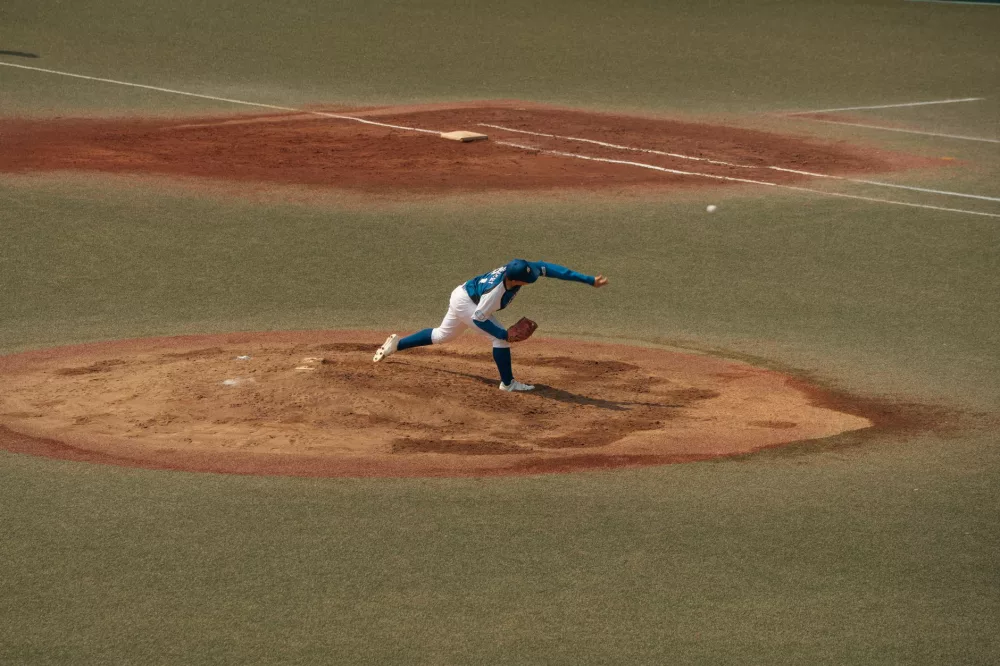
I've always found baseball trading to be one of the most utterly fascinating, almost bewildering, aspects of the sport. It's not just about swapping players; it's a deep, strategic dance, a high-stakes chess match played out behind closed doors, often with the future of an entire franchise hanging in the balance. When you peel back the layers, you realize it's less about the simple transaction itself and much more about forecasting talent, managing finances, and somehow, balancing the immediate need for wins with the long-term vision of a championship contender. It's a thrill, honestly, watching it all unfold.
Why Do They Even Bother? The Core Motivations Behind a Deal
You might wonder, what truly drives a general manager (GM) to pull the trigger on a trade? I mean, it's not like buying groceries, right? There are usually a few big reasons, and they aren't always what you'd expect. From my vantage point, it often boils down to a blend of ambition, necessity, and cold, hard numbers.
Contention and the Deadline Dash
Firstly, you've got the contenders. These are the teams right in the thick of a playoff race, maybe just a piece or two away from feeling truly dominant. They're usually on the hunt for that veteran arm, a power bat, or a defensive wizard to shore up a weak spot. Think back to a team needing an extra bullpen arm for the stretch run. They'll often give up a promising prospect or two because, for them, the window is *now*. I've seen it countless times where one timely acquisition completely galvanizes a clubhouse and pushes them over the edge.
The Rebuild: Selling Off for Tomorrow's Stars
"A good trade isn't just about what you get; it's about what you give up and why. Sometimes, you've gotta break a few eggs to make an omelet, as they say."
Then there are the teams embracing a full-blown rebuild. They're often way out of contention, and holding onto expensive, aging veterans just doesn't make sense. Their goal is clear: shed salary, acquire young, high-upside prospects, and build for several years down the line. It's a tough sell to the fan base sometimes, telling them to 'trust the process,' but it's a legitimate, often necessary, strategy. You see these GMs turning a beloved, but declining, star into a package of three or four teenagers who might not even sniff the big leagues for half a decade. It's a calculated gamble, every single time.
Filling Roster Holes and Financial Maneuvering
And let's not forget the more mundane, yet equally important, reasons. Maybe a team has an excess of outfielders but a glaring hole at first base. A trade can balance that out. Or, perhaps more subtly, a club needs to clear salary space to sign a free agent later, or to simply get under a luxury tax threshold. It’s not always about talent for talent; sometimes it’s about asset management and financial flexibility. It's truly incredible how many different factors come into play.
The Human Element: More Than Just Statistics
What I find particularly poignant about trades is the human aspect. For us fans, it's exciting; a new face, new hope. But for the players, it's a seismic shift. They might be uprooted from a city they love, forced to move their families, leave friends behind, and adapt to an entirely new locker room culture, often with little notice. I always think about those late-night calls GMs have to make, telling a player their life is about to change dramatically. It can be incredibly jarring, even for guys who understand it's 'part of the business.'
Think about a player who's spent his entire career with one organization, poured his heart and soul into that team, only to be shipped off right before the trade deadline. It's a stark reminder that professional sports, at its core, is a business. Players are assets, and sometimes, those assets get moved around. It's a tough pill to swallow, sometimes, for everyone involved.
- A veteran starter who's been the face of a franchise.
- A young, ascendant prospect, suddenly wearing a new uniform.
- A locker room suddenly missing a key voice.
It impacts everyone, not just the players being moved.
The Anatomy of a Deal: From Rumor to Reality
The actual process of a trade is often shrouded in secrecy, which, to me, only adds to its allure. It starts long before a formal conversation, with scouts meticulously evaluating players across leagues, analytics departments churning out reams of data, and GMs constantly networking. When a potential fit emerges, the real work begins.
The Dance of Negotiation
Negotiations are a delicate dance. Each GM tries to get the best possible return while giving up the least. It’s like a poker game, with each side bluffing, feigning disinterest, and holding their cards close. They're constantly assessing the other team's needs, their farm system depth, and their desperation. I can only imagine the hours of phone calls, the back-and-forth proposals, the sleepless nights leading up to a major deal.
What truly makes it complex is the valuation of prospects. How do you quantify the future potential of a 19-year-old minor leaguer against the proven production of a 30-year-old big leaguer? It's an art, not just a science. There are so many variables:
- Current major league performance.
- Remaining contract status and salary.
- Control years left for prospects.
- Scouting reports and statistical projections.
- Positional scarcity in the trade market.
It's a lot to process, and getting it wrong can set a franchise back years.
The Trade Deadline: A Season Within a Season
Ah, the trade deadline. For me, it's perhaps the most exciting non-playing day on the baseball calendar. The rumor mill goes into overdrive, beat reporters are glued to their phones, and every minor league transaction is scrutinized. It’s a pressure cooker, an artificial acceleration of the trade market, where GMs are forced to make decisions under intense public and internal scrutiny.
You often see a flurry of activity in the final hours, with GMs trying to sneak in a deal before the clock strikes zero. Sometimes, a deal falls apart at the last minute, leaving everyone, including the players involved, in limbo. The drama is palpable, and it often dictates the trajectory of the pennant race for the remainder of the season. It’s truly a crazy spectacle to witness.
Legacy and Hindsight: The Verdict
Once a trade is made, the clock starts ticking on its evaluation. Some trades are immediate hits, providing the spark a team needed. Others are slow burns, with prospects blossoming years later. And, inevitably, some deals just don't pan out. I've seen 'can't miss' prospects fizzle out, and 'throw-ins' become All-Stars. Hindsight is always 20/20, but it’s that uncertainty that adds another layer to the baseball trading saga.
Think about some of the legendary trades that reshaped franchises. They aren’t just transactions; they become part of a team's lore, spoken about for generations. It’s a powerful reminder that every decision, every player exchanged, carries a tremendous weight. The baseball trading market, in all its complexity and intrigue, keeps us all on the edge of our seats, constantly guessing what piece will move next and how it might just alter the entire landscape of the game.
About Editorial Team
Senior columnist and culture critic specializing in architectural designs, emerging high-growth systems, and contemporary philosophies.