The Ineos Grenadier: A Rugged Icon Reborn for the Modern Era
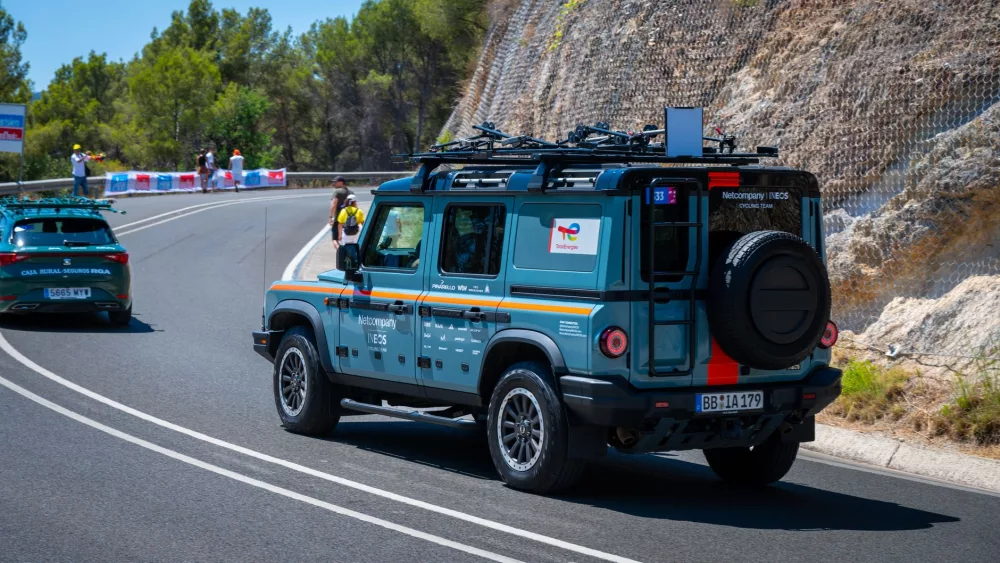
When I first heard whispers of the Ineos Grenadier project, my ears perked up. In an automotive landscape increasingly dominated by soft-roading SUVs and electric urbanites, the idea of a truly uncompromising, no-nonsense off-road vehicle felt like a breath of fresh air. It's a sentiment I'm sure many enthusiasts shared, particularly those who've felt a growing void since the original Defender bowed out.
The Vision Behind the Beast
Sir Jim Ratcliffe, chairman of Ineos, wasn't just another billionaire looking for a vanity project; he was a passionate adventurer who genuinely felt a gap in the market. He wanted a utilitarian 4x4, something built for purpose, durable, and repairable. What a concept, right? It wasn't about recreating a specific vehicle, but about capturing an ethos. From what I've observed, they've stuck remarkably close to that foundational ideal. They weren't just building a car; they were building a tool.
Engineering for the Unyielding Path
Let's get down to the nitty-gritty of what makes the Grenadier tick. When you look beneath its unapologetically boxy exterior, you find engineering choices that speak volumes about its intentions. They opted for a robust box-section ladder frame chassis. This isn't some monocoque adaptation; it's a foundation designed for abuse and longevity. It tells me they weren't messing around.
- Engines: Power comes from BMW's B58 (petrol) and B57 (diesel) inline-six engines. These are well-regarded, proven units, known for their reliability and smooth power delivery. I think choosing these was a smart move, offering both performance and a degree of refinement you wouldn't expect from such a workhorse.
- Transmission: Mated to these engines is a ZF 8-speed automatic gearbox. Again, a widely used, highly capable transmission. This pairing ensures robust performance whether you're crawling over rocks or cruising on the highway.
- Axles: Perhaps the most telling choice for serious off-roaders is the decision to go with Carraro solid beam axles front and rear. This isn't a cost-saving measure; it's a performance decision for articulation and strength in extreme conditions. I appreciate their commitment here.
- Suspension: Progressive rate coil springs, long travel suspension – it's all built to handle serious terrain while offering a decent, albeit firm, ride on pavement.
A Cabin That Means Business
Stepping inside the Grenadier is an experience. You won't find acres of piano black plastic or touchscreens for every single function. Instead, you're greeted by a functional, almost industrial aesthetic. I find it rather charming, actually.
"The interior isn't about luxury; it's about utility. Every switch, every dial, feels like it has a specific, hard-wearing purpose."
The switches are chunky, tactile, and designed to be operated with gloved hands. There's an overhead control panel, reminiscent of an aircraft cockpit, which I personally think is a cool touch. Drainage plugs in the floor are a clear nod to its potential for mud and water ingress, making cleanup a breeze. The Recaro seats are comfortable and supportive, essential for long hours behind the wheel, both on and off-road. You won't find many soft-touch materials, and that's precisely the point. It's built to get dirty and be easily cleaned.
Off-Road Prowess: Where it Shines
This is where the Grenadier truly asserts itself. It comes equipped with a permanent four-wheel-drive system, a two-speed transfer case, and no less than three locking differentials (centre, front, and rear) available as an option. Those diff locks are a game-changer when the going gets seriously tough. High ground clearance, impressive approach and departure angles, and a wading depth of 800mm mean it's ready for almost anything Mother Nature throws its way. I've seen videos of it tackling obstacles that would make lesser 4x4s whimper, and it just seems to shrug them off.
It also features a 'Wading Mode' and an 'Off-Road Mode' that adjust various vehicle parameters for optimal performance. I especially like the consideration given to recovery points; they're clearly marked and robust. This isn't just a vehicle that *can* go off-road; it's one that's designed from the ground up *for* off-road, with every detail considered.
On-Road Compromises? Not as Many as You'd Think
Given its rugged underpinnings, one might expect the Grenadier to be a handful on the tarmac. While it certainly isn't a sports car, I'm genuinely impressed by its on-road manners. The BMW engines provide ample power for highway cruising, and the ZF gearbox shifts smoothly. The steering, while a recirculating ball setup, isn't as vague as some traditional off-roaders. It tracks reasonably straight, and while there's a degree of body roll in corners, it feels predictable and secure. It's not going to win any drag races, but it's perfectly capable of covering long distances in relative comfort.
Who is the Grenadier For?
I think the target audience for the Ineos Grenadier is quite specific, and that's not a bad thing at all. It's for:
- The Adventurer: Those who genuinely venture far off the beaten path, where reliability and repairability are paramount.
- The Traditionalist: People who miss the simplicity and capability of older 4x4s and are wary of over-complicated modern vehicles.
- The Professional: Farmers, utility companies, mining operations, aid organizations – anyone who needs a vehicle that's a true workhorse.
- The Overland Enthusiast: Its robust platform makes it an ideal base for extensive modifications and long-distance travel.
It’s not for someone looking for a plush, city-bound SUV. And that’s what makes it so special. It knows what it is, and it doesn't apologize for it.
A Glimpse into the Future, Rooted in the Past
The Ineos Grenadier feels like a very deliberate choice in today's automotive market. It stands as a powerful counter-narrative to the trend of increasing complexity and diminishing utility. Built in Hambach, France, at a facility previously owned by Mercedes-Benz (Smart car production), it combines European manufacturing prowess with a global vision. They've built an extensive network for parts and service, recognizing that a vehicle built for remote areas needs robust support.
For me, the Grenadier represents a refreshing return to core values: durability, capability, and repairability. It's not trying to be everything to everyone; it’s unapologetically focused on being a highly capable, robust, and reliable off-road machine. And in a world full of compromises, I find that incredibly appealing. It’s got character, a lot of it, and I can't help but admire its steadfast commitment to its own purpose. It’s a compelling statement vehicle, and I’m keen to see how it shapes its own legend over time.
About Editorial Team
Senior columnist and culture critic specializing in architectural designs, emerging high-growth systems, and contemporary philosophies.