The Ever-Evolving Sanctuary: A Deep Dive into the World of Hotels
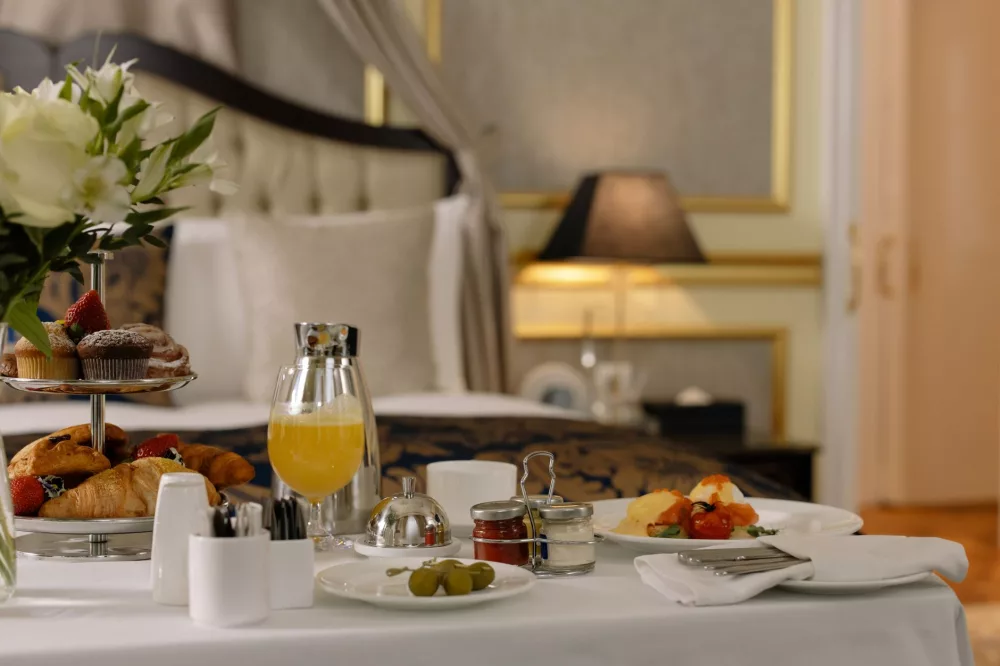
I've always been captivated by hotels, truly. There's something inherently appealing about these structures, offering a temporary haven from the routine of daily life, isn't there? From the simplest roadside inn to the most opulent five-star palace, they all share a fundamental promise: a space for rest, rejuvenation, and often, an entirely new experience. When I think about it, the hotel concept isn't new at all; its roots stretch back centuries, far beyond the sleek, glass-clad towers we see today. You know, back in ancient times, weary travelers relied on basic caravanserais along trade routes, simple places offering shelter, a bit of food, and maybe some protection from the elements. They weren't glamorous, not by a long shot, but they served a vital purpose.
A Journey Through Time: How Hotels Came to Be
Fast forward quite a bit, and you see the emergence of grand European inns and coaching houses. These were a step up, offering more amenities, better food, and certainly more comfort. I recall reading about some of these establishments, imagining the bustling scenes, the clinking of glasses, the murmur of conversations – a real hub of activity for the community and travelers alike. They certainly weren't just places to sleep; they were social centers. The industrial revolution, as you might expect, really changed the game. Suddenly, more people were traveling for business and leisure, creating a demand for lodging that was both efficient and comfortable. That's when we really started seeing what we'd recognize as modern hotels taking shape.
The 19th and early 20th centuries really cemented the hotel as a fixture in society. I mean, think about the iconic grand hotels built during this era – places like the Waldorf Astoria or The Ritz. They weren't just buildings; they were statements, symbols of luxury and status, attracting the elite from around the globe. It's fascinating how they blended hospitality with grandeur, setting a benchmark for service that many still aspire to today. Air travel, after World War II, ushered in another wave of change, making travel more accessible to everyone. This led to a boom in hotel construction, including the rise of the motel, catering to car-traveling families. It's a continuous story of adaptation, isn't it?
The Diverse World of Hotel Stays
One of the things I find most interesting about the hotel industry today is its incredible diversity. You've got options for literally every taste, every budget, and every reason for travel. It's not a one-size-fits-all situation anymore, thank goodness.
Luxury Hotels: The Pinnacle of Service
At the very top, of course, are the luxury hotels. These aren't just places to sleep; they're experiences. We're talking about personalized butler service, Michelin-starred restaurants, opulent spas, and interiors designed by world-renowned artists. My goodness, the attention to detail in these places is just incredible. They really aim to anticipate your every need. I remember a stay at a particular high-end resort where they seemed to know my coffee preference before I even ordered it! It's that level of intuitive service that sets them apart.
Boutique Hotels: Unique Charm and Character
Then there are boutique hotels, which I'm quite fond of myself. These are typically smaller, independently owned, and have a distinct personality or theme. They often prioritize unique design, local artistry, and a more intimate atmosphere. If you're tired of the chain hotel aesthetic, a boutique option can be a breath of fresh air. They often offer a window into the local culture in a way larger chains can't quite capture. You'll find them in refurbished historic buildings or with super contemporary, artsy vibes.
Budget-Friendly Options: Comfort Without the Cost
On the other end of the spectrum, we have budget hotels. And let's be clear, 'budget' doesn't mean sacrificing cleanliness or basic comfort anymore. Many budget chains today offer incredibly clean, functional rooms with amenities like free Wi-Fi and breakfast. They're perfect for business travelers, families on a road trip, or anyone who just needs a comfortable place to lay their head without breaking the bank. I've had some perfectly pleasant stays at these, proving that value can indeed meet quality.
Extended Stay Hotels: A Home Away From Home
For those longer trips, you've got extended-stay hotels. These are fantastic because they often come with kitchenettes, living areas, and laundry facilities, making it feel much more like an apartment than a traditional hotel room. For folks relocating, working on a long project, or just needing more space, they're an absolute lifesaver. I know colleagues who swear by them for month-long assignments.
The Guest Experience: More Than Just a Room
What makes a great hotel stay, you ask? Well, it's not just the thread count of the sheets, though good linens certainly help! It's a whole symphony of elements:
- Service: This is huge. Friendly, efficient, and genuinely helpful staff can make or break your trip. I can forgive a lot if the staff are wonderful.
- Amenities: Things like a good breakfast, reliable Wi-Fi, a fitness center, or a pool can significantly enhance the experience.
- Location: Being close to attractions, business districts, or transport hubs is often paramount.
- Cleanliness and Comfort: These are non-negotiable, in my opinion. A spotless room and a comfortable bed are fundamental.
- Technology Integration: Seamless check-ins, smart room controls, and easy access to entertainment are becoming increasingly important.
"A truly exceptional hotel experience isn't about extravagance; it's about making guests feel genuinely cared for and understood."
I find that the little touches often resonate most. A personalized welcome note, a local treat, or even just a perfectly quiet room after a long day – these are the things you remember.
Navigating the Booking Landscape and Future Trends
Booking a hotel today is incredibly different from even a decade ago. Online Travel Agencies (OTAs) like Booking.com and Expedia have revolutionized how we search and compare prices. However, I've noticed a growing trend towards booking directly with the hotel, often driven by loyalty programs and exclusive direct-booking perks. It's a dance between convenience and finding the absolute best deal.
Looking ahead, I see several exciting shifts. Sustainability is becoming a major focus, with hotels investing in energy-efficient practices, waste reduction, and sourcing local products. Guests, myself included, are more conscious of their environmental footprint, and hotels are responding. Personalization, too, is key; using data to tailor experiences even more precisely, perhaps recommending local activities based on your past preferences or customizing your room settings before you arrive. Artificial intelligence and automation will continue to reshape operations, from robot concierges to AI-powered booking systems, though I do hope the human touch remains absolutely central. We still appreciate a friendly face, after all.
So, the hotel industry, with its rich history and relentless innovation, continues to adapt and redefine what it means to be a temporary home. It's a fascinating space, constantly evolving to meet the ever-changing needs and desires of travelers worldwide. What an interesting journey it's been, and I can't wait to see what comes next.
About Editorial Team
Senior columnist and culture critic specializing in architectural designs, emerging high-growth systems, and contemporary philosophies.