U-Haul: A Comprehensive Look at America's Self-Moving Giant
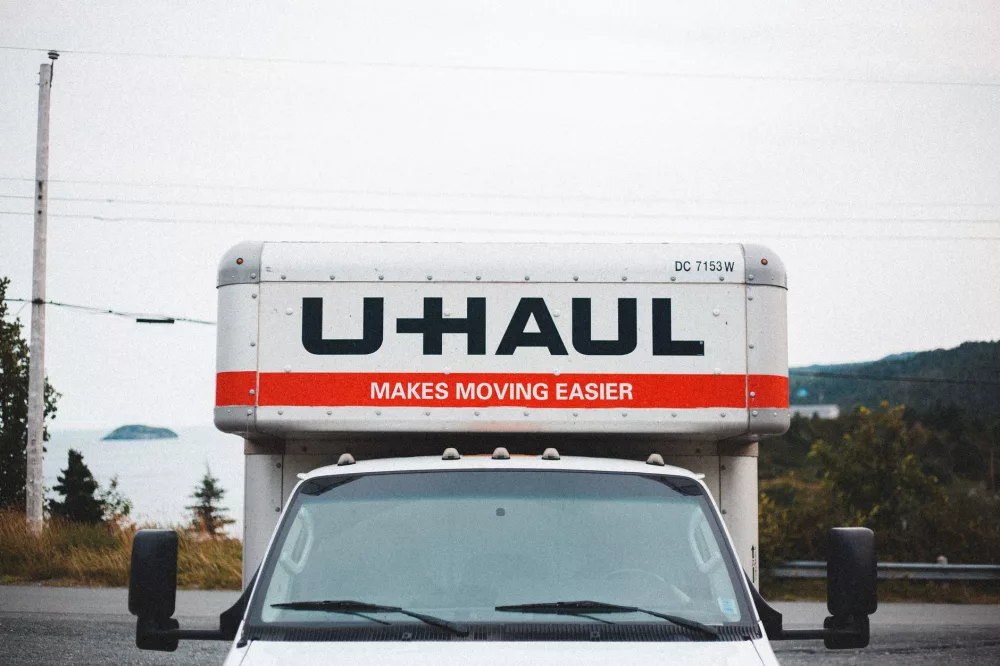
When one considers the landscape of self-relocation and storage solutions across North America, a single name instantly springs to mind for many: U-Haul. It’s an iconic brand, a ubiquitous presence whose orange-and-white fleet of trucks, trailers, and vans has become synonymous with the journey of new beginnings, independent moves, and the logistical challenges of shifting one’s life from point A to point B. From my perspective, it’s not just a rental company; it represents an accessible solution that has shaped how generations approach moving.
The Genesis of a Moving Empire
U-Haul's story begins in 1945, right after World War II, a period of immense change and population movement in the United States. Leonard Shoen, the company's founder, recognized a significant unmet need: returning servicemen and their families were relocating at an unprecedented rate, yet affordable and convenient moving options were scarce. People often had to rely on expensive professional movers or struggle with inconvenient, often unsafe, homemade solutions. Shoen's brilliant idea was simple yet revolutionary: make moving equipment available for rent one-way, allowing customers to pick up a trailer in one city and drop it off in another.
I've always found this entrepreneurial foresight fascinating. Starting with just a few trailers built in his wife's father's garage in Ridgefield, Washington, Shoen leveraged existing service stations and small businesses to serve as U-Haul dealers. This decentralized model was incredibly effective; it allowed for rapid expansion with minimal capital investment, creating a vast network long before such concepts became commonplace. It's truly a classic example of innovation born from necessity and astute market observation.
The Extensive U-Haul Ecosystem
What began as a trailer rental service has blossomed into a comprehensive moving and storage ecosystem. Today, U-Haul offers an impressive array of services designed to cover virtually every aspect of a do-it-yourself move. Here’s a quick glance at some of their core offerings:
- Truck Rentals: They come in various sizes, from small 10-foot trucks perfect for studio apartments to large 26-foot trucks capable of handling a four-bedroom home. I appreciate the clear sizing guides they provide online; it helps immensely when you’re trying to visualize what you actually need.
- Trailer Rentals: This remains a cornerstone. Utility trailers, cargo trailers, and auto transport trailers cater to different hauling needs, whether you're moving furniture or your family car.
- Self-Storage: U-Haul operates thousands of self-storage facilities across North America, offering climate-controlled units, drive-up access, and various sizes. This integration of moving and storage is incredibly convenient, something I've personally found helpful during transitional periods.
- Moving Supplies: From boxes of all shapes and sizes to packing tape, bubble wrap, and furniture pads, U-Haul stores are veritable one-stop shops for packing essentials.
- U-Box Portable Storage: This relatively newer service allows customers to load their belongings into portable containers that U-Haul then ships to their destination or stores in a secure facility. It's an excellent option for those who need flexibility or are moving long distances without driving a truck.
- Hitch Installation & Towing: They also provide trailer hitch installations and sell towing accessories, expanding their utility for individuals needing to tow their own trailers or recreational vehicles.
- Propane Sales: Many U-Haul locations also offer propane refilling services, demonstrating their commitment to being a broad utility provider for homeowners and travelers alike.
Operational Dynamics and Customer Experience
The operational backbone of U-Haul is its extensive network of independent dealers, often small businesses like gas stations, convenience stores, and auto repair shops, alongside corporate-owned centers. This model provides unparalleled geographic reach, making it easier for customers to find a pickup or drop-off location nearby. However, I’ve observed that the customer experience can vary based on whether you're dealing with a corporate store or an independent dealer; consistency is sometimes a challenge across such a vast, diverse network.
Booking a U-Haul has become significantly streamlined over the years. Their website and mobile app are quite user-friendly, allowing customers to reserve equipment, calculate costs, and manage their reservations with relative ease. I vividly recall the days when phone calls and in-person visits were the primary means; the digital transformation has certainly been a boon for convenience. Pickup and drop-off procedures are generally efficient, though queues can sometimes form during peak moving seasons like month-ends or summer.
About Editorial Team
Senior columnist and culture critic specializing in architectural designs, emerging high-growth systems, and contemporary philosophies.