Volaris: A Deep Dive into Mexico's Ultra-Low-Cost Airline Pioneer
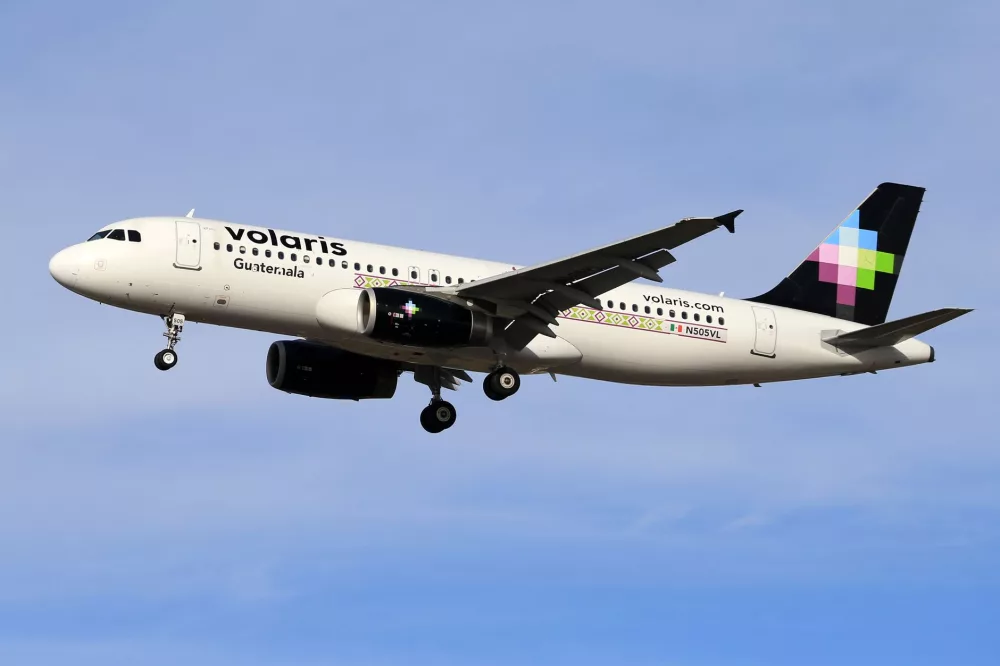
It's fascinating, isn't it, how certain companies can completely redefine an industry, particularly in a region as dynamic as Latin America? For me, Volaris, the Mexican ultra-low-cost carrier (ULCC), stands out as a prime example. I've watched its trajectory with considerable interest over the years, and what began as a relatively small player has truly grown into an aviation powerhouse, fundamentally altering how many Mexicans, and indeed many across North and Central America, approach air travel.
The Genesis of an Aviation Game-Changer
Founded in 2004, Volaris launched its first commercial flight in March 2006. At the time, the Mexican aviation landscape was somewhat different. There were established players, but the concept of an aggressive, no-frills, ultra-low-cost model wasn't as prevalent or perfected. I remember thinking, could this really work in a market with such unique dynamics? It appears they had a very clear vision.
Their initial focus was on serving underserved routes and stimulating demand by making air travel affordable to a segment of the population that previously couldn't consider flying. This wasn't just about offering cheap tickets; it was about democratizing the skies, something I find incredibly impactful.
The airline's strategic backing, which included names like Grupo Televisa and Inbursa, certainly gave it a strong foundation. This wasn't just a fly-by-night operation; it was a calculated entry into a market ripe for disruption.
Understanding the Ultra-Low-Cost Model: How Volaris Does It
If you've ever flown with a ULCC, you'll know their business model is built on a few core pillars:
- Ancillary Revenue Focus: This is where Volaris really shines. The base fare gets you a seat and that's often about it. Everything else – checked baggage, cabin baggage beyond a small personal item, seat selection, in-flight refreshments, priority boarding – comes with an additional cost. It’s a transparent system, though sometimes surprising for first-time ULCC travelers, but it allows them to keep initial ticket prices remarkably low.
- High Aircraft Utilization: Their planes are almost constantly in the air. Quicker turnarounds at airports mean more flights per day, maximizing the revenue potential of each aircraft. I've noticed this efficiency firsthand when observing their operations.
- Fleet Standardization: Volaris primarily operates Airbus A320 family aircraft. This standardization simplifies maintenance, reduces training costs for pilots and crew, and allows for bulk purchasing of parts. It’s a smart operational choice, no doubt.
- Point-to-Point Routes: They generally avoid complex hub-and-spoke systems, focusing instead on direct flights between cities. This reduces reliance on connecting flights and often leads to fewer delays.
- Lean Operations: Every aspect of the business is scrutinized for cost-saving opportunities, from fuel efficiency to staffing levels.
What I find particularly interesting is how Volaris has refined this model for the Mexican and broader Latin American context, where price sensitivity is often a significant factor for consumers.
Expansion, Reach, and Market Dominance
Volaris hasn't just grown; it's expanded strategically and rapidly. Its network spans not only across Mexico but also into the United States and Central America. When I look at their route map, it's clear they've targeted routes with high demand, often connecting family and friends across borders, particularly the Mexico-US corridor.
Key Growth Strategies:
- New Routes: They've been aggressive in opening new routes, especially to secondary airports in the US, which often have lower operating costs, further bolstering their ULCC model.
- Market Penetration: By offering competitive fares, they've managed to capture a significant market share, often stimulating demand rather than just taking it from competitors. It's not just about business travelers; it's also about leisure and visiting friends and relatives (VFR) traffic.
- Digital Focus: Volaris has invested heavily in its digital platforms, making it easier for customers to book flights and manage their trips online. This reduces the need for expensive physical ticketing counters and enhances customer convenience. I've personally found their app and website quite user-friendly.
Their growth has been quite remarkable to witness, transforming them into one of Mexico's largest airlines by passenger numbers. It really shows the power of a well-executed strategy.
Navigating the Skies: Customer Experience and Challenges
As with any ULCC, customer experience can sometimes be a point of discussion. The very nature of the low-cost model means that services you might take for granted on a full-service carrier are often unbundled and priced separately. I think this is where managing expectations becomes key.
For a passenger who understands the model – that the low base fare is just that, a base – Volaris offers incredible value. You pay for what you use. However, for those unaccustomed to it, the accumulation of ancillary fees can sometimes lead to frustration. I've certainly heard anecdotes about this, but it's often a learning curve for consumers.
Operational challenges, like occasional delays or schedule changes, are part and parcel of the airline industry, and Volaris isn't immune. Yet, they've generally maintained a respectable operational efficiency given their high utilization rates.
Societal and Economic Footprint
The impact of Volaris extends beyond just its balance sheet. I believe it plays a crucial role in the economic development of Mexico and its connections with neighboring countries. By making air travel more accessible, it facilitates:
- Tourism: Opening up new destinations and making existing ones more affordable for a wider range of travelers.
- Business Connections: Enabling small and medium-sized businesses to connect with markets more efficiently.
- Social Cohesion: Allowing families dispersed across regions or countries to visit each other more frequently, which, in my view, is an understated but significant contribution.
It's more than just a transportation company; it’s an enabler of connectivity and mobility for a significant demographic.
Looking Ahead: What's Next for Volaris?
The airline industry is constantly evolving, and Volaris will undoubtedly face new challenges and opportunities. Fuel price volatility, currency fluctuations, competitive pressures, and global events (like the recent pandemic, which they navigated impressively, I might add) are constant factors. However, with its well-honed ULCC model, strong market position, and a clear understanding of its customer base, I think Volaris is well-positioned for continued relevance and growth. Its ability to adapt, something I’ve observed many times, will be key to its sustained success in the years to come.
It’s clear that Volaris isn't just selling plane tickets; it’s selling access, opportunity, and connection. And that, to me, is a powerful offering in any market.
About Editorial Team
Senior columnist and culture critic specializing in architectural designs, emerging high-growth systems, and contemporary philosophies.